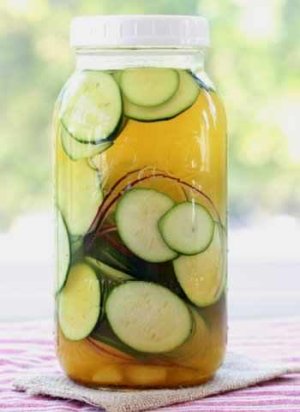
 Lacto-Fermenation is one of the oldest food preservation methods still regularly used. It is not Witchcraft or Sorcery and it's effective tasty and pretty much bullet proof. If it tastes good, then it's good. Plus the resultant pickles have the benefit of home made probiotics. Lacto-Fermentation has nothing to do with dairy products, the lacto refers to lactic acid. All fruits and vegetables have beneficial bacteria such as Lactobacillus on the surface. In an anaerobic (oxygen-free) environment, these bacteria convert sugars into lactic acid, which inhibits harmful bacteria and acts as a preservative. It's also what gives fermented foods their characteristic sour flavour. The earliest record of fermentation dates back as far as 6000 B.C. in the Fertile Crescent -and nearly every civilization since has included at least one fermented food in its culinary heritage. From Korean kimchi and Indian chutneys to the ubiquitous sauerkraut.
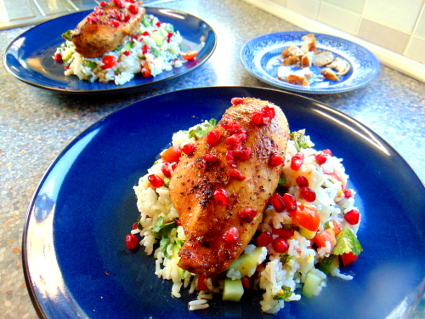
Ingredients:-
2 Chicken Breasts
60ml of Lime Juice & 1 Tbsp of Zest
2 Tbsp of Pomegranate Molasses
Salt & Pepper to season
¼ Tsp of Ground Cumin
¼ Tsp of Ground Coriander
140G of Long Grain Rice
Spray Oil
A handful of fresh Coriander, chopped
A handful of fresh Mint, chopped
¼ of a Cucumber, chopped
4 Cherry Tomatoes, chopped
2 Tsp of Pomegranate to garnish
Method:-
(1) Combine the Lime Juice and Pomegranate Molasses & pour over the Chicken Breasts.
(2) Allow to marinade in the fridge for an hour.
(3) Place the Chicken on a baking tray and spray with a little oil.
(4) Season with Salt & Pepper.
(5) Rub in the Cumin and Coriander.
(6) Place in a pre-heated oven at 170c and cook for 30 minutes, until the Chicken is cooked through.
(7) Cook the rice according to the package instruction, then rinse with boiling water and drain.
(8) Mix the chopped Coriander, Mint, Lemon Zest, Cucumber, Tomatoes and Pomegranate into the warm Rice.
(9) Server the Chicken over the Rice with the remaining Pomegranate to garnish.
So many fresh and fragrant flavours in this dish. We’d definitely pay good money in a restaurant. But we didn’t, because it’s more fun to cook at home!


